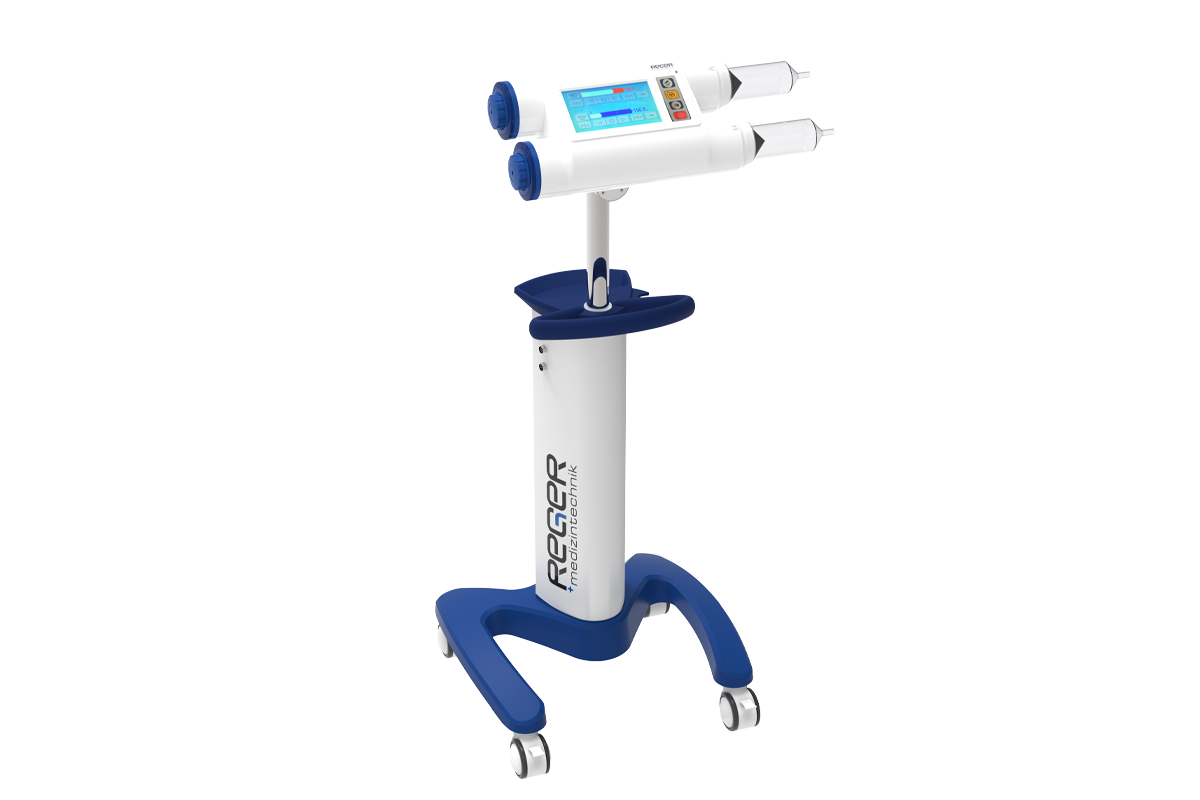


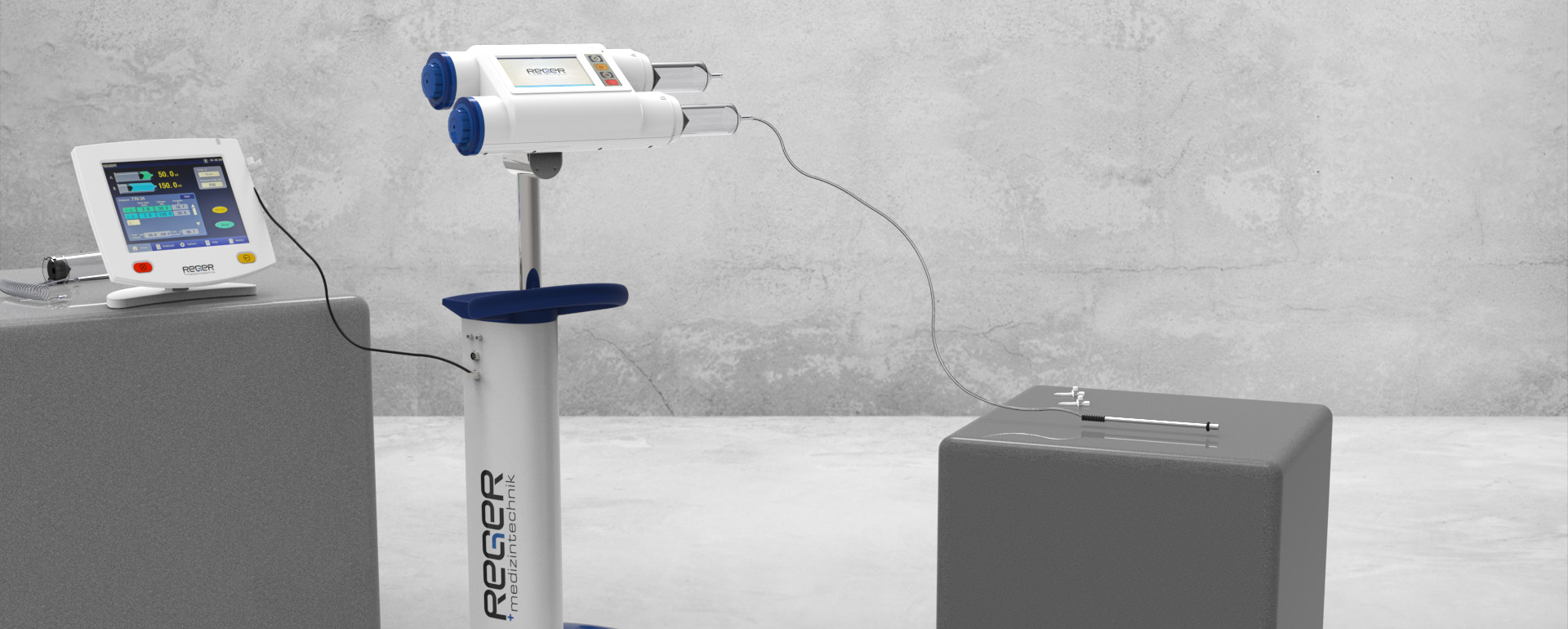
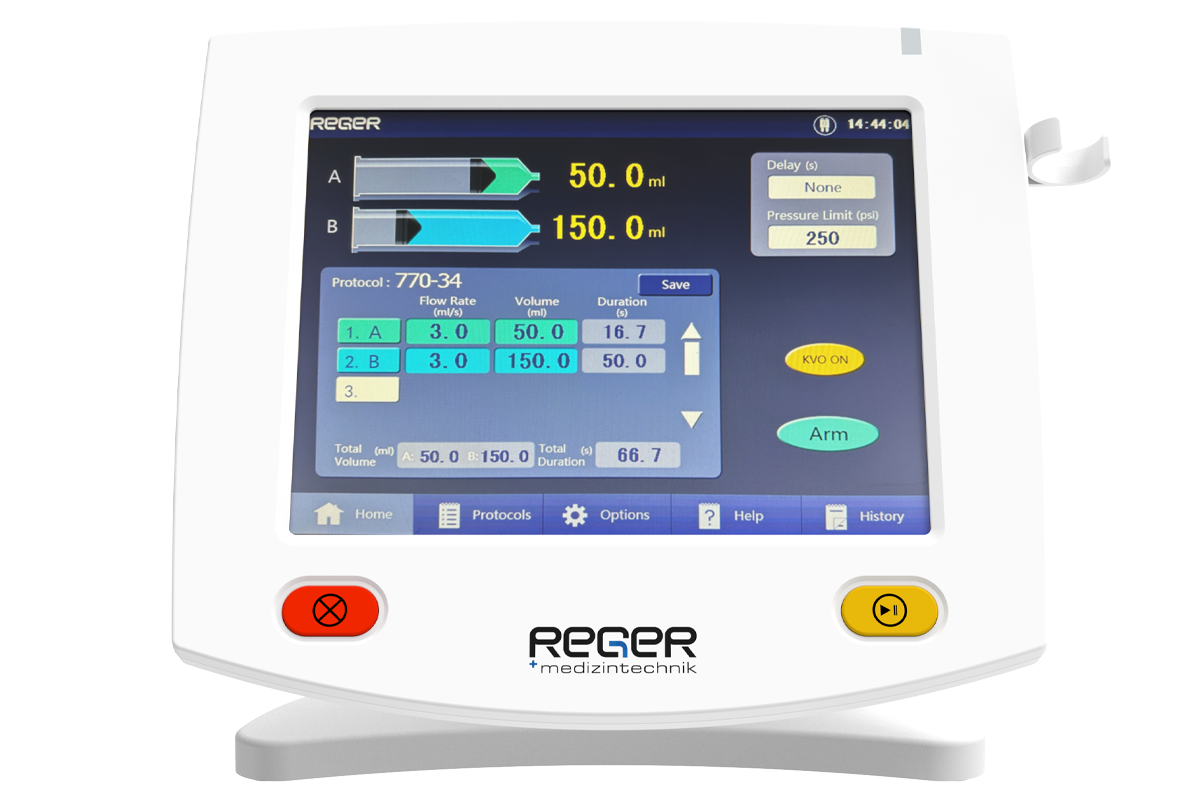
- Remote monitor, easy to use
- Large true-color touchscreen LCD
- User-friendly graphical user interface
More efficient. Safer. More precise.
Advantages of the REGER PowerInjector:
- Intelligently adjusts the flow rate once the pressure is reached.
- The target pressure is reached within seconds.
- No fluctuations during the injection.
- Reduces medication waste due to a short administration time.
- More efficient and accurate processes.
Item code: 770-001ST
Description: 2 x 200 ml syringes, 2 x spikes, 1 x Y-tube
Item code: 770-001ST
Description: 2 x 200 ml syringes, 2 x spikes, 1 x Y-tube
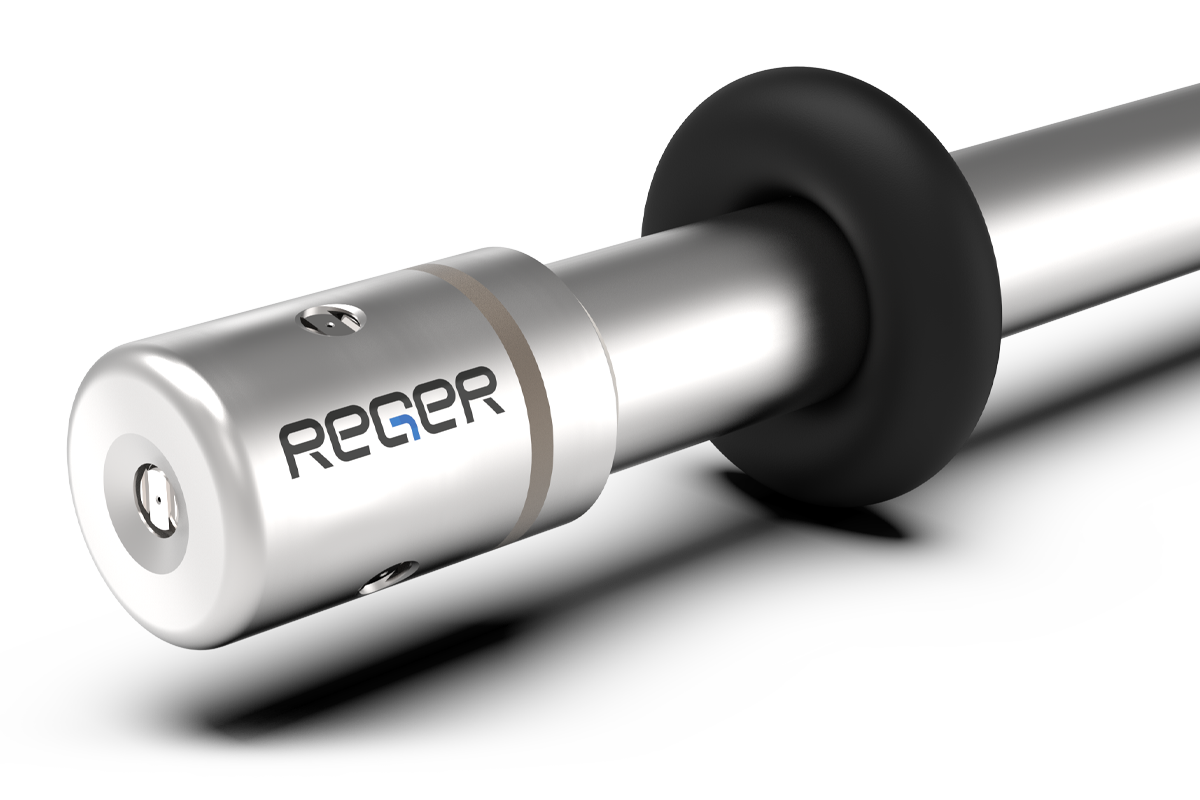
Designed for optimal spray performance
Our QuattroJet® ensures even and efficient distribution of aerosols.
- Maximum coverage
- Efficient and even wetting
- Optimal performance for demanding applications
Mit QuattroJet® können Sie sich auf modernste Technologie für beste Ergebnisse verlassen.
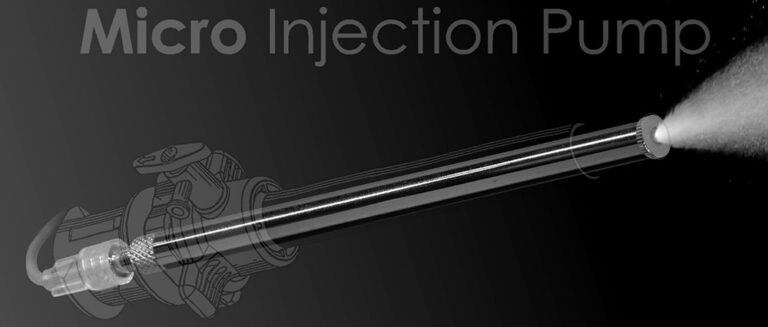
While searching for a competent development partner for a suitable nebulization technology, Prof. Reymond got in touch with Alexander Hetzel, managing director of REGER Medizintechnik GmbH.
Alexander Hetzel then developed the technical solution: Inspired by the fuel injection system of a gasoline engine, he designed a purely mechanical high-pressure atomizing nozzle. Shortly after the first meeting, the first functional prototype was created—the MIP nozzle (“Micro Injection Pump”), which later evolved into the CapnoPen®.
The first experimental setup, which used a commercially available high-pressure injector, worked right away and laid the technical foundation for the later PIPAC therapy.
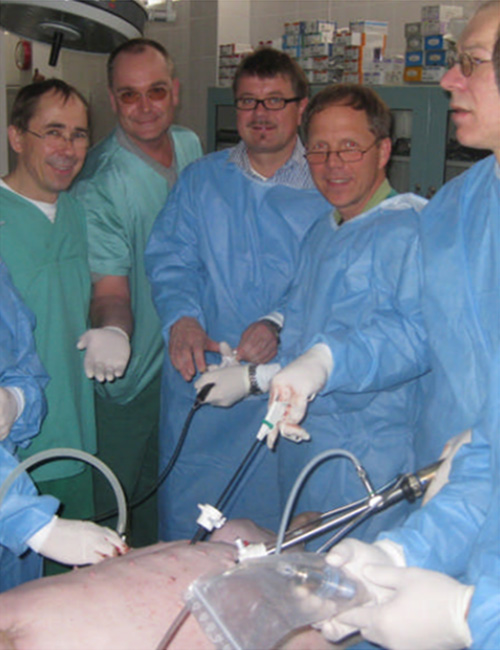
The nebulization technology was further developed in 2009 and was first evaluated in a preclinical study using a land pig model in Thuringia. The animals tolerated the PIPAC treatment very well.
The experiments showed that both the distribution of a test substance within the abdominal cavity and its penetration into the tissue were significantly improved following the use of therapeutic capnoperitoneum—particularly when compared to conventional intraperitoneal lavage.
At the same time, preparations for CE marking were initiated.
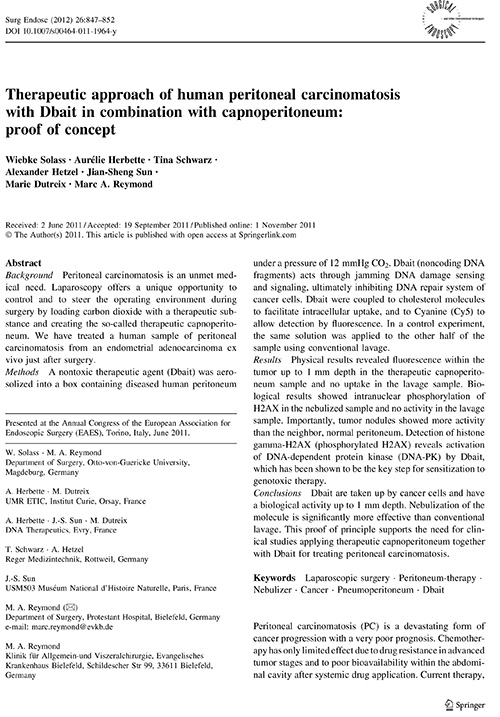
In 2010, further studies were conducted on diseased human peritoneal specimens using an ex vivo model. The experiments, conducted in collaboration with the Institut Curie (Paris), confirmed that PIPAC technology results in improved penetration and more uniform distribution of therapeutic substances.
Using fluorescently labeled DNA fragments, a targeted effect was demonstrated all the way to the invasion front of the tumor nodes, thereby providing scientific proof of concept (published in 2011).
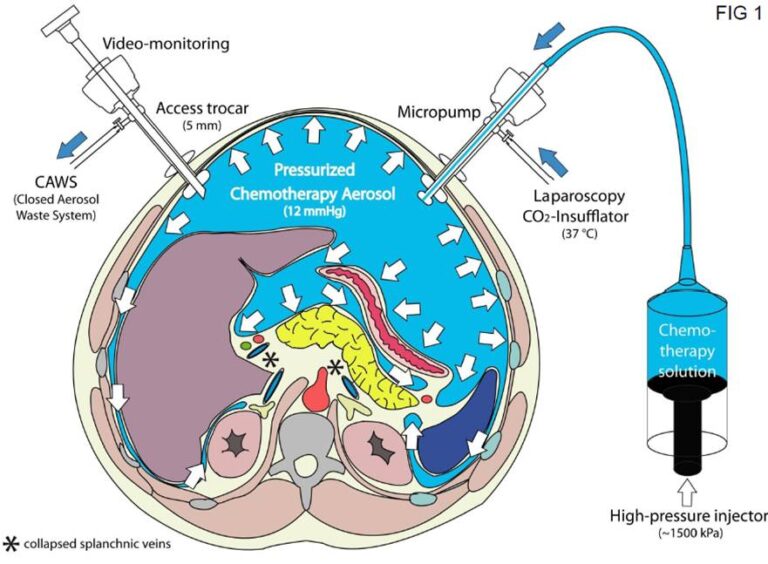
The presentation of the preclinical results at an international conference in Regensburg in July 2011 generated considerable interest. As a result, PIPAC was first administered on November 5, 2011, as part of individual experimental treatments for three critically ill patients who had no remaining treatment options.
The treatments were very well tolerated and exceeded expectations: complete tumor regression was documented in two patients, and partial tumor regression in one patient. One patient survived for another two years with a very good quality of life.
Accompanying pharmacological studies showed an improved therapeutic index compared with intravenous chemotherapy and HIPEC. At the same time, only mild liver and kidney toxicity was observed.

Under the direction of Prof. Zieren, the world’s first clinical PIPAC program was established at the University of Bochum. The CapnoPen®, developed by REGER at that time, became the technical standard for administering PIPAC therapy.
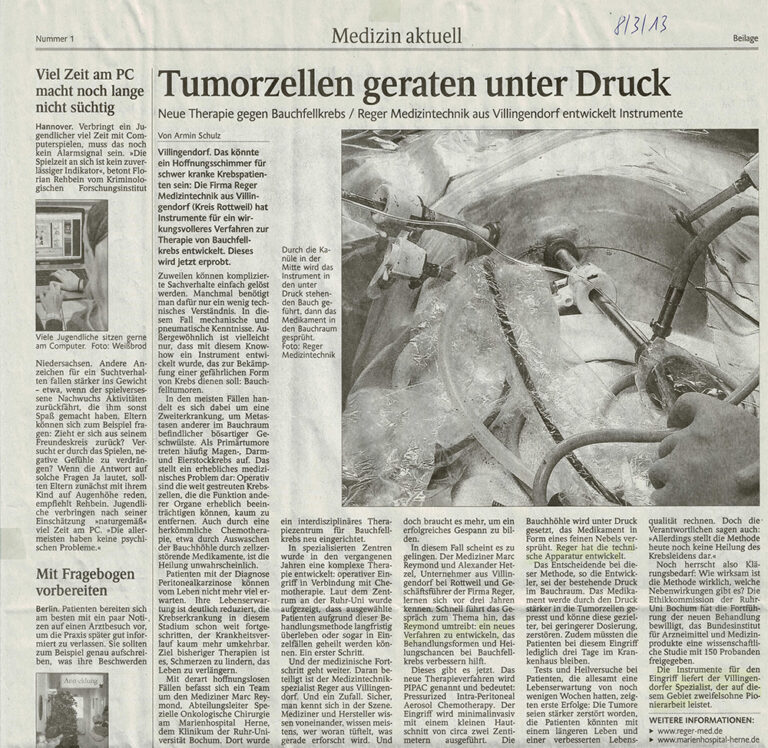
In an article titled “Tumor Cells Come Under Pressure,” the Schwarzwälder Bote reported on the innovative PIPAC technology and the development work being done by REGER Medizintechnik GmbH.
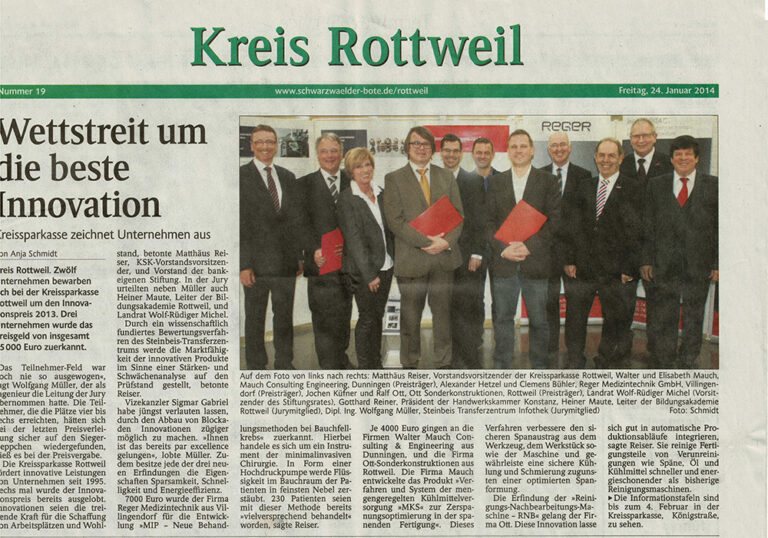
Alexander Hetzel (CEO of REGER Medizintechnik GmbH) was awarded an innovation prize for his contributions to the development of nebulizer technology.
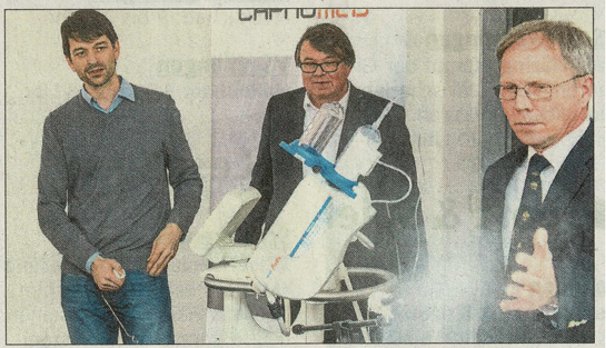
Historical photo from 2017: Prof. Marc-André Reymond (left), Alexander Hetzel (center), and Stefan Groß (right) demonstrating PIPAC technology. Source: Schwarzwälder Bote, “Straw Makes Patient Happy,” Stefanie Böhm, February 10, 2017.
Alexander Hetzel and Prof. Marc-André Reymond founded CAPNOMED GmbH as a sales company for PIPAC technology.
REGER Medizintechnik GmbH is responsible for the development and manufacture of the nebulization technology. REGER has consistently served as the legal manufacturer of the relevant medical devices.
The nebulizer, developed and manufactured by REGER, was marketed at the time by CAPNOMED GmbH and was known by the product name Capnopen®. Under this name, the product was also cited in numerous scientific publications and studies on PIPAC therapy.
As a result, one might get the impression today that CAPNOMED was responsible for the development and manufacture of the product. In fact, the product used in these studies was a medical device developed and manufactured by REGER, which was distributed at the time by CAPNOMED GmbH.
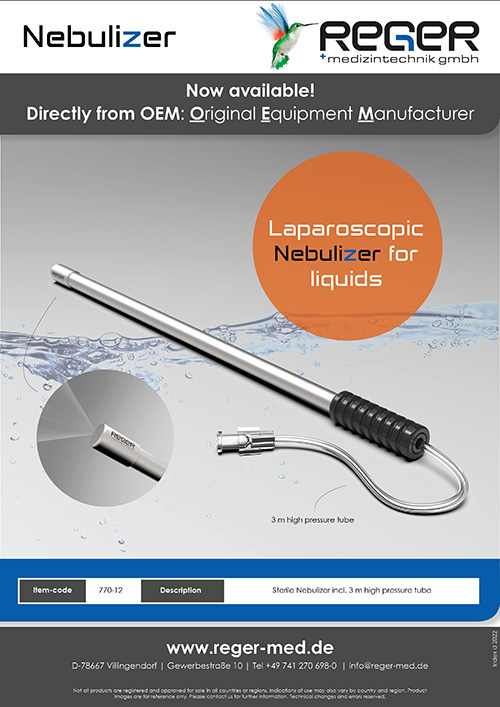
Following the split between Prof. Marc-André Reymond and Alexander Hetzel, REGER Medizintechnik GmbH continued the production and further development of the original nebulizer under its own product name, "Nebulizer," and from then on operated independently in the PIPAC market.
The product referred to as CapnoPen® in earlier scientific studies was developed and manufactured by REGER. The products currently offered by CapnoMed GmbH and the newly founded CapnoPharm are no longer sourced from REGER and therefore cannot be considered equivalent to the REGER product that was examined in those studies.
Since then, REGER has consistently continued to develop the original technology under its own brand.
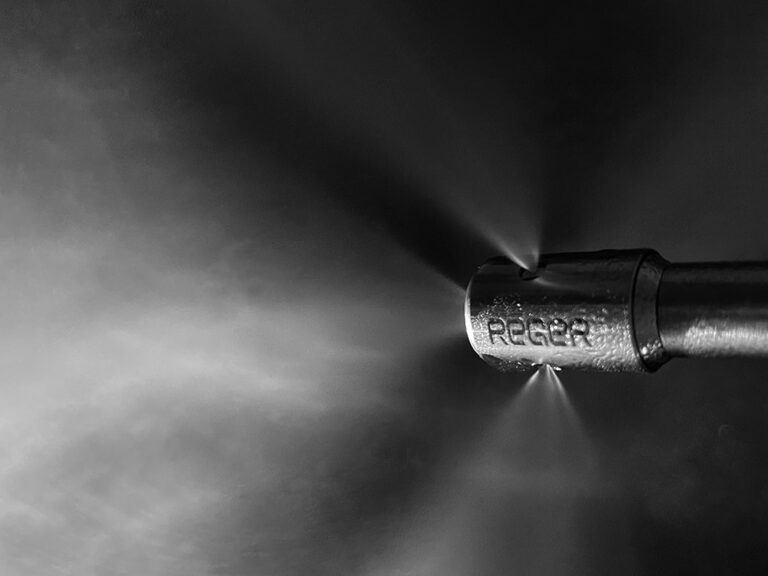
With the QuattroJet, REGER introduced an innovative four-nozzle technology to the market. This novel nozzle design was developed to further optimize the distribution of the therapeutic aerosol within the abdominal cavity.
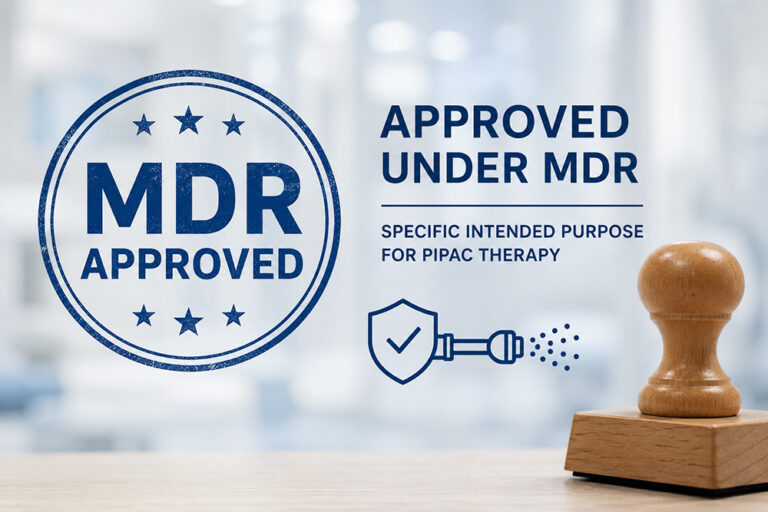
REGER nebulization technology has received MDR certification as a Class IIb medical device specifically intended for PIPAC therapy.
Previously, the technology had been certified as a Class IIa medical device for the nebulization of liquids. With the new approval, the specific application within the context of PIPAC therapy has been formally recognized by regulatory authorities.
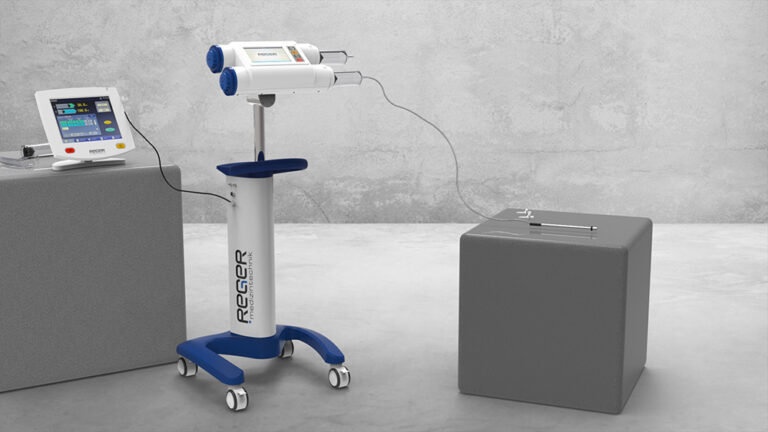
With the NebCore system, REGER has further developed PIPAC technology into a fully integrated solution. The system combines a nebulizer, a specially designed high-pressure injector, and the necessary accessories into a comprehensive solution.
The NebCore Injector ensures constant pressure, thereby providing reproducible conditions and reliable performance during PIPAC use.
The system is supplemented by safety-related components such as the Camera Drape, which protects the camera system, and the Smoke Evacuation Filter, which provides controlled extraction and filtration of residual aerosols.
In collaboration with the German PIPAC Center, REGER also offers a comprehensive service and implementation plan. The combination of medical and technical expertise helps hospitals safely and systematically introduce PIPAC therapy.
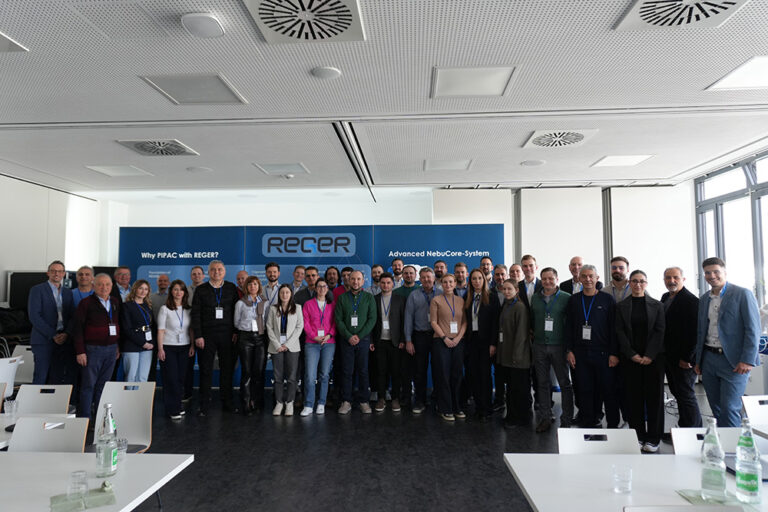
In collaboration with the German PIPAC Center, REGER hosted the first PIPAC workshop in Herne. More than 30 physicians received hands-on training at the clinical birthplace of PIPAC technology.
Led by Prof. Dr. Zieren, the program included theoretical lectures, hands-on training sessions, and three PIPAC procedures broadcast live, with the opportunity to observe them firsthand.

Since its inception, PIPAC technology has undergone continuous refinement. To date, more than 20,000 PIPAC applications have been performed worldwide using the nebulization technology developed and manufactured by REGER.
From the first mechanical high-pressure atomizing nozzle to the integrated NebCore system, REGER has been at the forefront of the technical development, manufacturing, and continuous refinement of PIPAC technology since its inception.